
Chemistry: The Two-Axis Map Behind Every Element
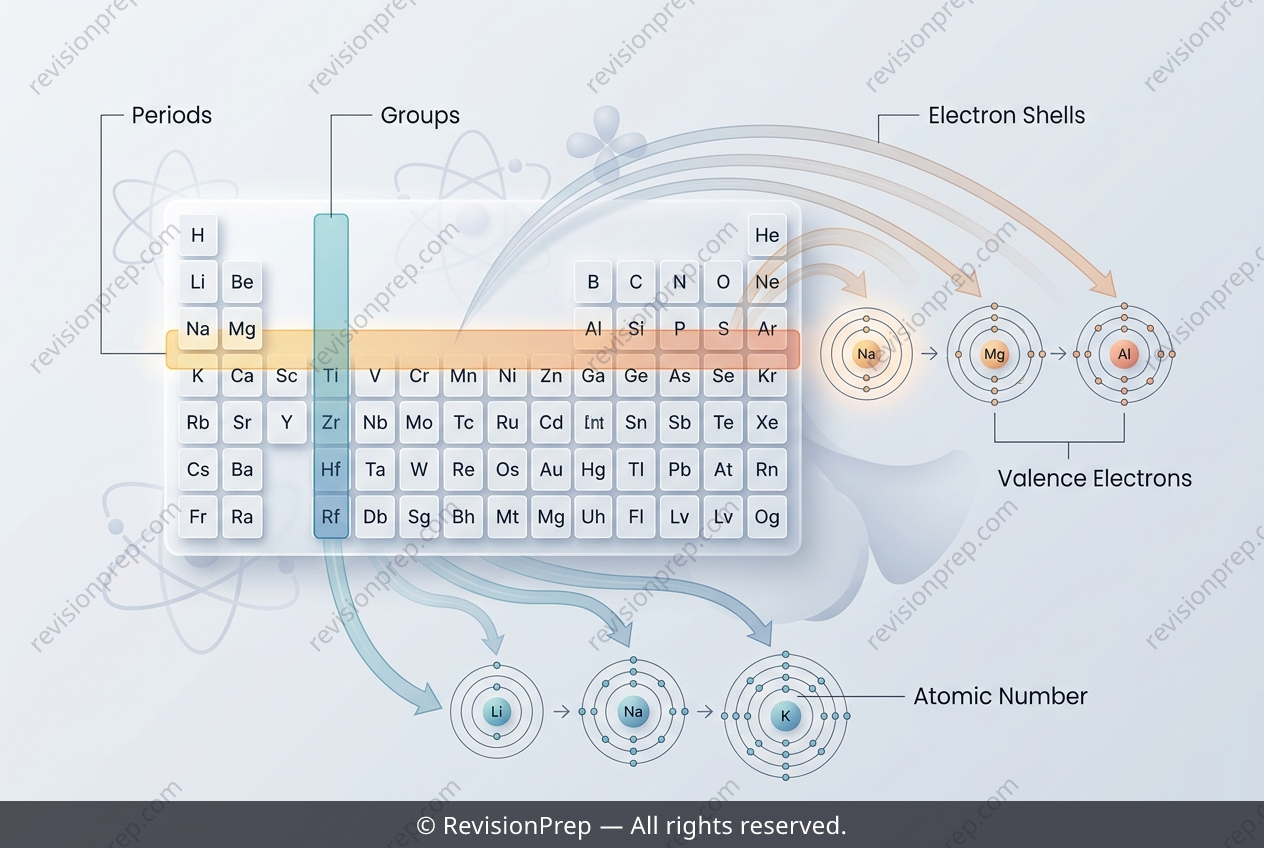
The periodic table is far more than a grid of symbols—it is the master key to understanding chemical behavior. At its most fundamental level, the table is organized into horizontal rows called periods and vertical columns called groups, a structure that directly mirrors the arrangement of electrons within atoms. As you move across a period, each successive element gains a proton and an electron, filling a new shell in a predictable sequence. Moving down a group, however, adds an entirely new electron shell, which increases atomic radius and shields the outer electrons from the nucleus. This simple two-axis organization unlocks a powerful relationship: elements within the same group share similar valence electron configurations, and therefore similar chemical properties—such as reactivity and bonding tendencies. Meanwhile, elements in the same period show a gradual shift in properties like electronegativity and atomic size. Recognizing whether a feature is a period or a group is not just vocabulary; it is the first step in predicting how elements will interact, from the explosive reactivity of alkali metals to the inertness of noble gases. Master this foundation, and the entire landscape of chemistry becomes far more navigable.
Start practising IB questions today
150,000+ IB-styled questions, criteria-mapped and instantly accessible.