
Physics: E = P × t — Tracking Wasted Energy
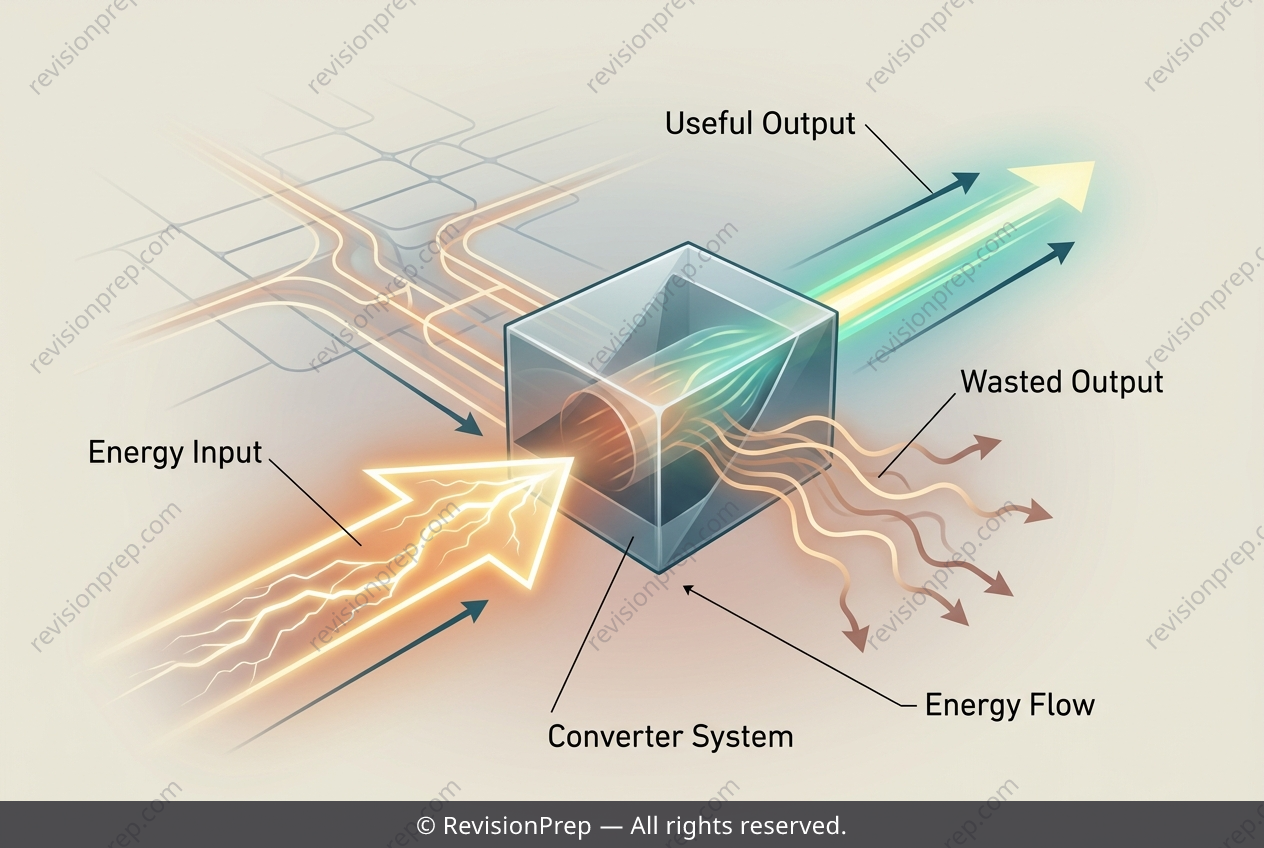
Energy transformations are everywhere, but few examples are as telling as the humble incandescent light bulb. When electrical energy flows into the bulb, it emerges in two forms: useful light energy and wasted thermal energy (heat). In a typical bulb, only about 10% of the input becomes light, while the remaining 90% dissipates as heat—a stark illustration of energy efficiency, the ratio of useful output to total input. This inefficiency matters beyond simple inconvenience. Because the bulb converts so little electricity into light, it must consume far more electrical energy to achieve a given brightness. That extra consumption translates directly into higher household electricity bills and, at the grid level, greater fuel burning in power stations—which raises carbon emissions and accelerates climate change. The relationship is captured by the formula E = P × t, where total energy used depends on power and time. From that total, the wasted portion is simply the percentage that does not contribute to the intended purpose. Understanding this split—between what you need and what you lose—is the first step toward designing smarter, more sustainable lighting systems.
Start practising IB questions today
150,000+ IB-styled questions, criteria-mapped and instantly accessible.