
Physics: The Hidden Challenge of Renewable Energy
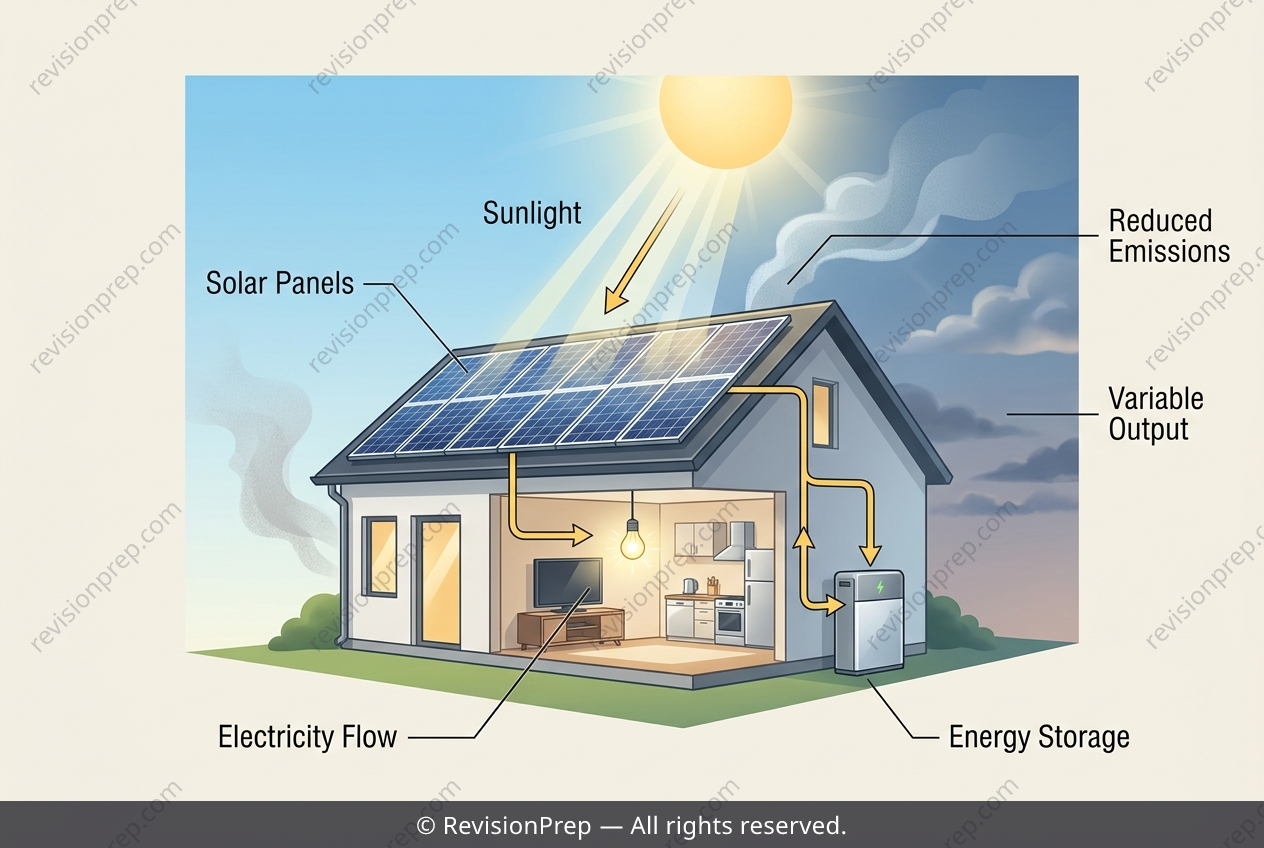
Renewable energy systems are built on a simple but powerful idea: some energy sources are replenished naturally on human timescales, while others are finite. Solar energy, wind, and hydroelectric power fall into the former category, drawing on flows of energy that the Earth continuously receives or cycles. In contrast, fossil fuels like coal, oil, and natural gas are non-renewable — they formed over millions of years and are being consumed far faster than they can be replaced. This distinction isn’t just academic; it drives decisions about how we power homes, industries, and entire economies. The dynamics of a renewable system, such as a home solar panel array, hinge on the relationship between energy input, conversion efficiency, and storage. Solar panels convert incoming sunlight (radiant energy) directly into electrical energy via the photovoltaic effect, with no combustion and no direct emissions during operation — a major advantage over burning fossil fuels. However, the system’s output is fundamentally tied to an intermittent input: sunlight availability varies with time of day, weather, and season. At night or under heavy cloud cover, generation drops toward zero, meaning the family’s electricity supply becomes unreliable unless paired with battery storage or a grid connection. This interplay between a clean, inexhaustible fuel source and its variable, location-dependent supply is the core challenge of renewable energy dynamics — and why understanding both the benefits and the constraints of these systems matters for any realistic shift toward sustainable living.
Start practising IB questions today
150,000+ IB-styled questions, criteria-mapped and instantly accessible.