
Physics: The Quiet Guardian of Every Solar Cell
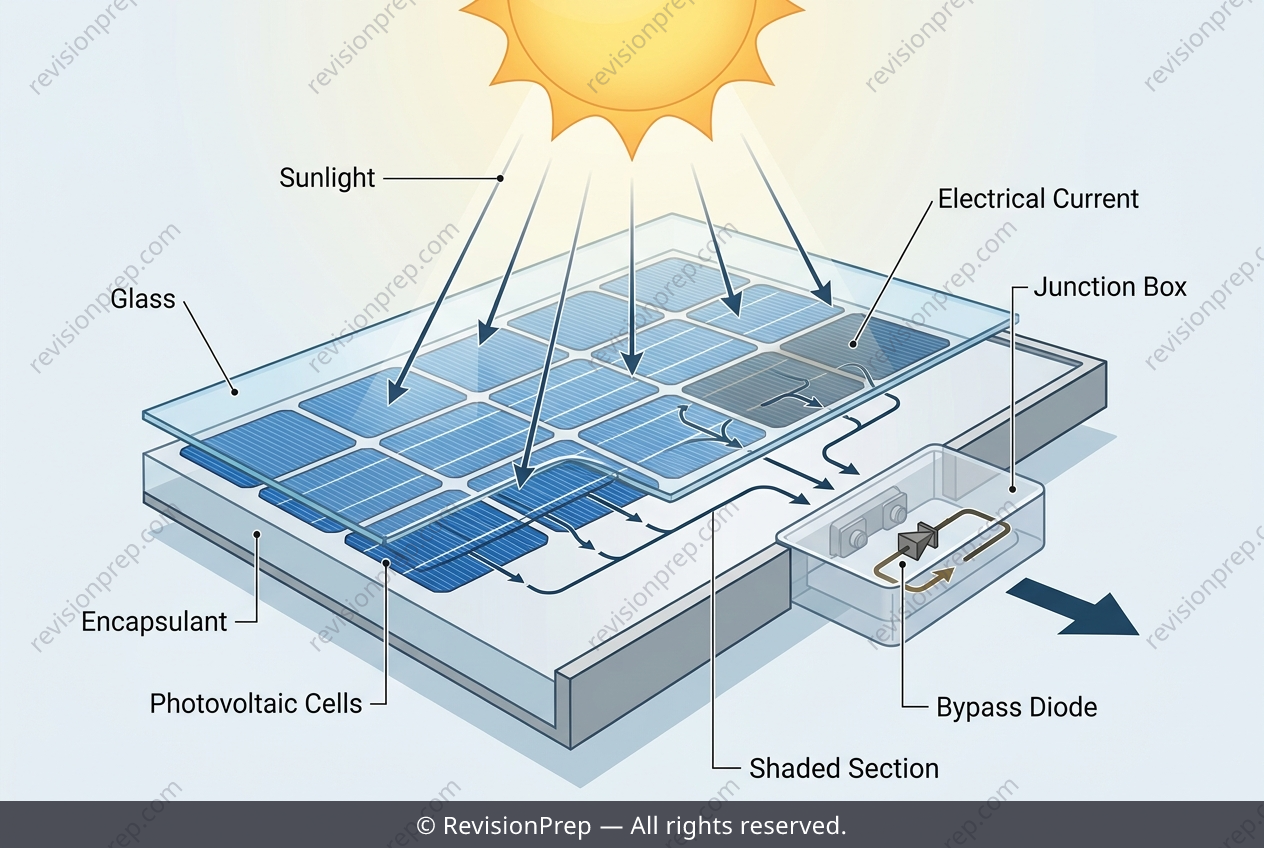
Solar energy harvesting is, at its heart, a story of materials working in precise sequence—and the first line of defence is often the most overlooked. In a typical photovoltaic panel, the outermost layer is a tempered glass sheet, a transparent shield that sits above the semiconductor cells. This component is not merely a lid; it is a critical interface between the chaotic outdoor environment and the delicate electronics beneath, ensuring that the system’s efficiency is not compromised by physical degradation. The glass cover performs two inseparable roles. Structurally, it absorbs the impact of hail, wind-blown debris, and persistent rain, preventing micro-cracks that would otherwise short-circuit the cell’s internal junctions. Optically, it must remain highly transparent to the visible and near-infrared spectrum, allowing photons to reach the p-n junction where the photovoltaic effect occurs—the absorption of light generating electron-hole pairs that drive current. Without this protective yet transmissive layer, the conversion of solar irradiance into electrical energy would be both inefficient and short-lived, as exposure to moisture and dust accelerates corrosion and shading losses. Thus, the glass sheet is the quiet guardian that lets the physics of light-to-electricity proceed unimpeded.
Start practising IB questions today
150,000+ IB-styled questions, criteria-mapped and instantly accessible.