
Physics: Why No Machine Can Be 100% Efficient
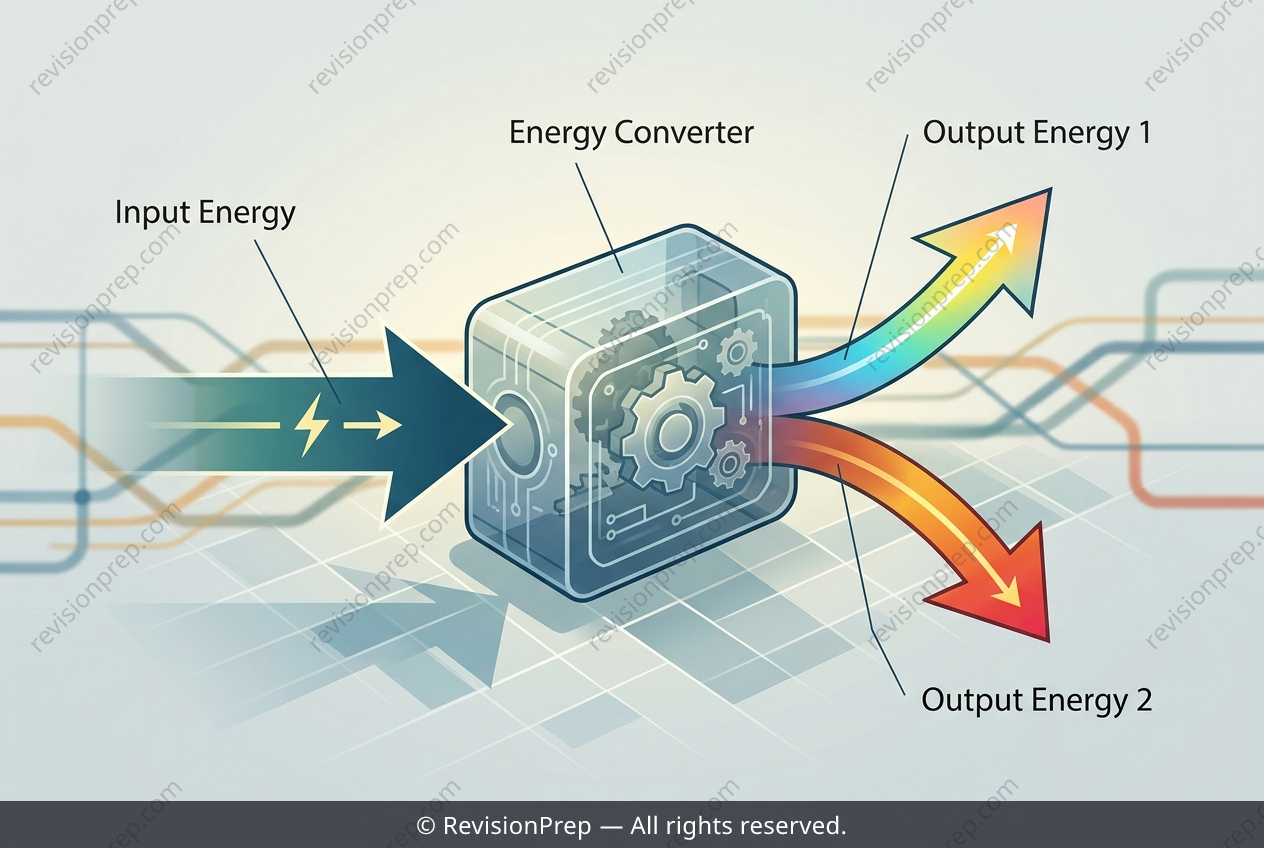
Energy transformations are the silent engines behind every action, from a sprinter’s leap to the glow of a screen. At its heart, this concept describes how energy changes form—never created, never destroyed, only converted—a principle known as the conservation of energy. When you switch on a lamp, you’re not creating light; you’re redirecting a flow of electrical energy into new, observable forms. The lamp’s operation hinges on a simple but profound exchange: electrical energy enters the system, and two distinct outputs emerge—light energy, which you see, and thermal (heat) energy, which you feel. This split is not random; it reflects the inefficiency inherent in real-world devices. The useful output (light) is accompanied by a by-product (heat) that represents energy “lost” to the surroundings, though not destroyed. Understanding this relationship—input, useful output, and wasted output—is foundational for analysing everything from power stations to photosynthesis. It also explains why no machine is 100% efficient, as the total energy before and after any transformation always balances, even when the forms differ.
Start practising IB questions today
150,000+ IB-styled questions, criteria-mapped and instantly accessible.