
Maths: Why Percentage Change Depends on the Base
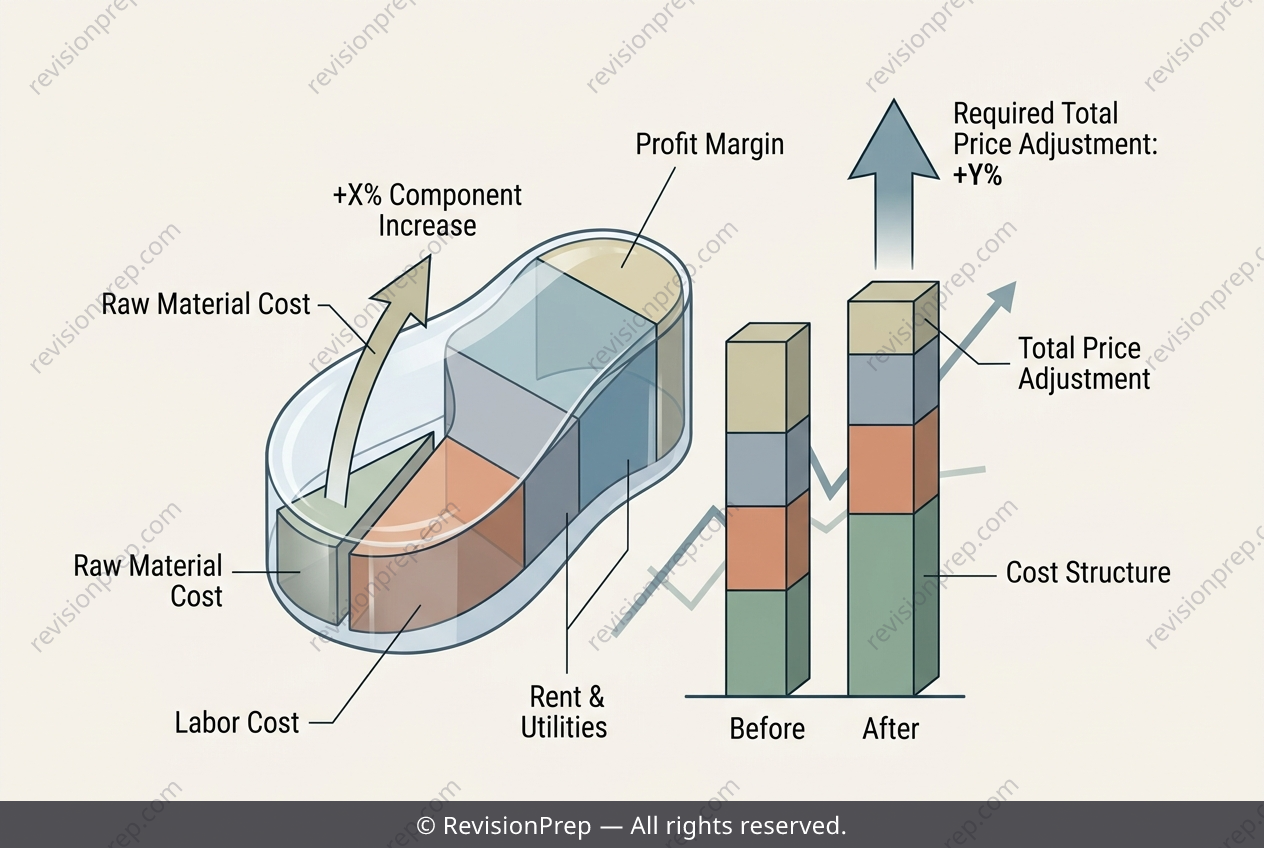
Percentage change is one of the most versatile tools in mathematics, letting us compare a new value against an original one using a single expression: percentage change = (new value − original value) ÷ original value × 100. Its power lies in standardising comparison, so a change in the price of bread can be placed alongside changes in wages, interest rates, or the cost of a basket of goods. This matters because percentages model real decisions, from central banks tracking inflation through the Consumer Price Index to households adjusting budgets. The key idea is proportionality: a percentage describes a change relative to a specific base, not an absolute amount. That distinction becomes critical when a single price change is used to represent a whole cost structure — labour, rent, utilities, and packaging may each move at different rates, so one percentage applied to one selling price cannot capture the proportional impact across every component.
Start practising IB questions today
150,000+ IB-styled questions, criteria-mapped and instantly accessible.